What Does NVIDIA Do?
If you’ve played a video game, watched a YouTube video, asked ChatGPT a question, or even scrolled TikTok—there’s a good chance NVIDIA had a hand in making it all happen. For most people, NVIDIA is just the name on a graphics card or a gaming laptop. But under the hood, this company is quietly powering just about everything in tech—and its influence is growing fast. It’s gone from a niche graphics chip maker to the core infrastructure behind AI, data centers, smart cars, healthcare, and more. If you want to understand where the future of technology is headed, NVIDIA is a great place to start.
You might be surprised to find out how often NVIDIA tech is working behind the scenes in your everyday life. From entertainment to enterprise, it’s everywhere. NVIDIA started out making GPUs for gamers, but now it’s helping run the cloud, train AI models, build self-driving cars, simulate entire factories, and even assist doctors. It’s no longer just a graphics company—it’s the computing engine behind the future. So, what exactly does NVIDIA do, and how did it become so important? Let’s break it down in plain English.
Table of Contents
- It All Started With Gaming
- People Realized GPUs Could Do More Than Just Graphics
- NVIDIA Is the Secret Engine Behind Modern AI
- Your Favorite Apps and Services Run on NVIDIA in the Cloud
- NVIDIA Is Getting Cars Ready for the Future
- Building Digital Twins with Omniverse
- AI in Healthcare and Robots in Warehouses
- What About the Competition?
- Investors Are Loving the NVIDIA Boom
- So What’s Next
- Final Thoughts: NVIDIA Is Basically Everywhere
It All Started With Gaming
Back in 1993, NVIDIA was founded to make computer graphics better—way better. Their big breakthrough came in 1999 with the GeForce 256, which they called the world’s first GPU (Graphics Processing Unit). That chip made video games look more realistic than ever before and gave NVIDIA a reputation as the go-to brand for PC gamers. It turned 3D gaming from a novelty into the new standard, and it kicked off a revolution in interactive entertainment. Suddenly, blockbuster games looked smoother, faster, and more immersive than anything people had seen.
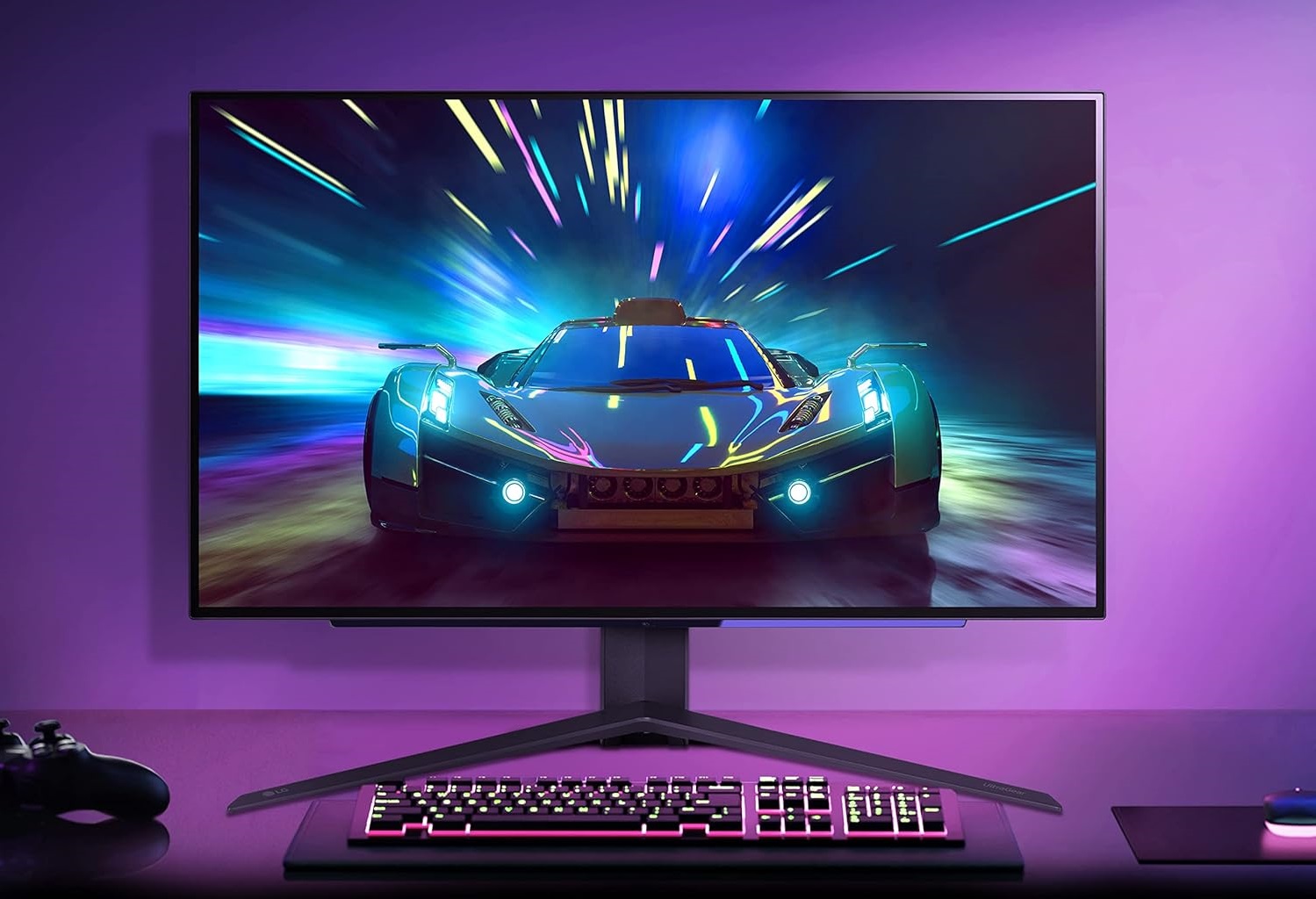
Fast forward to today, and NVIDIA’s GeForce RTX series is the gold standard for gaming performance. These GPUs use AI-powered features like ray tracing and DLSS to make games look stunningly real and run super smooth. If you’re building a gaming PC or buying a high-end laptop, chances are it’s powered by NVIDIA. Even casual gamers benefit from NVIDIA’s tech—it’s embedded in everything from streaming services to game capture software. It’s no exaggeration to say NVIDIA built the modern gaming experience.
People Realized GPUs Could Do More Than Just Graphics
Here’s where things got really interesting. Around the mid-2000s, researchers figured out that GPUs—thanks to their ability to process tons of tasks in parallel—were actually perfect for scientific computing and machine learning. CPUs handle one thing at a time; GPUs handle thousands. That’s a big deal. NVIDIA saw this shift early and leaned into it, laying the groundwork for the AI and high-performance computing explosion we see today. This move changed its entire trajectory as a company.
NVIDIA saw this coming and created CUDA, a platform that let developers write programs for GPUs just like they would for CPUs. Suddenly, GPUs were being used for things like predicting the weather, analyzing genomes, and simulating black holes. Today, CUDA is everywhere, and it’s one of the main reasons NVIDIA dominates AI and high-performance computing. The combination of open software, robust documentation, and long-term support has made CUDA a sticky ecosystem. Developers who build on it often stay for life, reinforcing NVIDIA’s competitive edge.
NVIDIA Is the Secret Engine Behind Modern AI
Let’s talk AI—because this is where NVIDIA is absolutely essential. You’ve probably heard of tools like ChatGPT, Midjourney, and DALL·E. They’re amazing, right? But what most people don’t realize is these models need an insane amount of processing power to train—and they get it from NVIDIA’s A100 and H100 GPUs. Training just one of these models can take weeks or even months on massive clusters of NVIDIA-powered servers. Without GPUs like these, the AI revolution simply wouldn’t be possible.
These chips are specifically built for AI workloads. And it’s not just about raw power—NVIDIA also builds all the tools around them, like TensorRT and cuDNN, to help developers run their models faster and more efficiently. Bottom line? If you’re building AI today, you’re almost definitely building it on NVIDIA tech. It’s why cloud providers, universities, and startups all fight to get access to NVIDIA GPUs. In many ways, NVIDIA is the engine under the hood of artificial intelligence.
Your Favorite Apps and Services Run on NVIDIA in the Cloud
Think of every time you binge Netflix, use Google Maps, or get a recommendation on Amazon. Behind the scenes, there’s a massive data center making it all happen—and chances are, those data centers are filled with NVIDIA GPUs. It’s not just about raw horsepower; these GPUs enable fast, intelligent decision-making in real time. They also support large-scale data processing, which powers everything from personalized ads to fraud detection.
NVIDIA doesn’t just make chips anymore. They offer full-on systems like DGX SuperPODs, which link tons of GPUs together for the most demanding AI and simulation workloads. And thanks to partnerships with Amazon Web Services, Microsoft Azure, and Google Cloud, NVIDIA is literally the backbone of the modern internet. Without NVIDIA, cloud computing would be slower, less efficient, and far less capable of supporting today’s AI-driven tools. It’s the unsung hero of nearly every digital service we use.
NVIDIA Is Getting Cars Ready for the Future
Believe it or not, NVIDIA is also a major player in the automotive world. Through its DRIVE platform, it’s helping carmakers add everything from driver-assist features to full self-driving capabilities. Their special chips—like DRIVE Orin—can process all the inputs from cameras, radar, and lidar sensors in real-time. This means cars can “see” and respond to their environment faster than a human ever could. The result? Safer, smarter vehicles with futuristic features that are available right now.
But it’s not just about autonomous driving. NVIDIA is also helping design smarter infotainment systems, in-car voice assistants, and even AI that watches for distracted driving. Brands like Mercedes-Benz, Hyundai, and Volvo are already onboard. So, the next time you’re riding in a smart car, just know: NVIDIA might be behind the wheel. And as more EVs hit the road, NVIDIA’s software-defined vehicle approach helps cars evolve through over-the-air updates—just like your smartphone. The future of driving is digital, and NVIDIA is helping steer the way.
Building Digital Twins with Omniverse
NVIDIA isn’t just making chips—it’s building entire virtual worlds. Seriously. Their Omniverse platform lets companies create digital twins—real-time 3D simulations of everything from factories to cities. Imagine testing an entire assembly line virtually before laying a single brick. That’s what Omniverse does. This tech is already helping industries save time, cut costs, and avoid mistakes before they happen. It’s like having a rehearsal for your real-world operations.
Companies like BMW and Amazon are already using it to simulate logistics, factory layouts, and robotics. It’s kind of like the metaverse for engineers, but way more practical. And because it’s powered by NVIDIA’s GPUs and AI, these simulations are crazy detailed. Think: real-world physics, lighting, and behavior. It’s not just cool—it’s a game-changer.
By merging AI, 3D design, and real-time collaboration, Omniverse is redefining how digital work gets done. It’s the new frontier for industrial design and planning.
AI in Healthcare and Robots in Warehouses
NVIDIA has also made big moves in healthcare. Their Clara platform uses AI to help doctors with everything from analyzing X-rays to mapping DNA. During the COVID-19 pandemic, researchers used NVIDIA tech to simulate virus spread and develop treatments faster. It’s quietly revolutionizing how we think about diagnostics and personalized medicine. And because it’s all AI-powered, these tools get smarter the more they’re used—improving patient outcomes over time. That’s a win for doctors and patients alike.
And let’s not forget Jetson—NVIDIA’s platform for edge AI. It brings AI to devices like drones, warehouse robots, and security cameras. These aren’t dumb machines—they can actually learn and react in real time. So whether it’s a farming robot planting crops or a retail scanner watching foot traffic, NVIDIA is the brain behind it. This kind of edge computing reduces the need for constant cloud access, speeding up response times and saving bandwidth. It’s AI, right where the action is.
What About the Competition?
Sure, there are other players in the chip game—AMD, Intel, even Google with its TPUs. But NVIDIA is still way ahead. Why? Because it’s not just about hardware. NVIDIA also builds the software, developer tools, and ecosystem that make it super easy to build on their platform. They’ve created an environment where developers can get up and running faster—and stay loyal longer. That’s a powerful moat in a highly competitive industry.
Once developers start using CUDA, they tend to stick with it. It’s reliable, it’s fast, and it’s well-supported. Plus, NVIDIA’s chips just keep getting better—more powerful, more efficient, and more versatile. Other companies may catch up in one area, but NVIDIA is playing 3D chess across multiple industries.
They’re not just competing—they’re defining the rules of the game. That’s how you stay ahead in tech.
Investors Are Loving the NVIDIA Boom
If you follow the stock market, you’ve probably seen NVIDIA’s meteoric rise. In 2025, the company hit a jaw-dropping $4 trillion valuation—putting it right up there with Apple and Microsoft. And it makes sense. Everyone’s rushing to invest in AI, and NVIDIA is the company actually selling the “shovels” for this gold rush. Its products are in such high demand that even its biggest customers have waitlists. That’s a rare and enviable position to be in.
They’re not just selling hardware either. NVIDIA is moving into recurring software revenue, cloud services, and licensing. That makes their business model even more attractive. It’s no wonder Wall Street can’t get enough—NVIDIA isn’t a trend; it’s infrastructure for the future. With more revenue coming from services, NVIDIA is evolving into a platform company. That spells long-term growth for investors
So What’s Next
NVIDIA isn’t slowing down. They’ve already unveiled the Blackwell architecture, which will power the next generation of AI chips. They’re expanding the Omniverse, building AI-as-a-service platforms, and doubling down on industries like robotics, finance, and digital design. They’re also exploring tools for AI agents that can think, reason, and interact autonomously. We’re moving beyond chatbots—and NVIDIA wants to be at the center of it.They’re also exploring AI agents that can reason and interact—a step beyond just answering questions. And they’re not just building the chips to run those agents—they’re creating the software platforms to deploy, monitor, and scale them. In other words, NVIDIA wants to be the factory floor for the AI-powered world.
If you’re betting on the future of automation and intelligence, NVIDIA is the company to watch. Their roadmap is ambitious—and that’s putting it mildly.
Final Thoughts: NVIDIA Is Basically Everywhere
Most people think of NVIDIA as “that graphics card company.” And sure, it still dominates gaming. But behind the scenes, NVIDIA is powering cloud computing, AI, robotics, healthcare, self-driving cars, and entire digital worlds. It’s not just a tech company—it’s a cornerstone of the entire modern tech stack.
From your laptop to the world’s largest data centers, NVIDIA is running the show. And it’s only getting more influential. Whether you’re talking about training GPT-5, running smart traffic systems, or helping a surgeon diagnose a tumor—NVIDIA is probably involved. It’s quietly woven into nearly every part of our digital lives. So the next time you see that little green logo? Just remember: you’re looking at the future. This isn’t hype. It’s reality—and it’s accelerating faster than ever