Why Did Vine Fail?
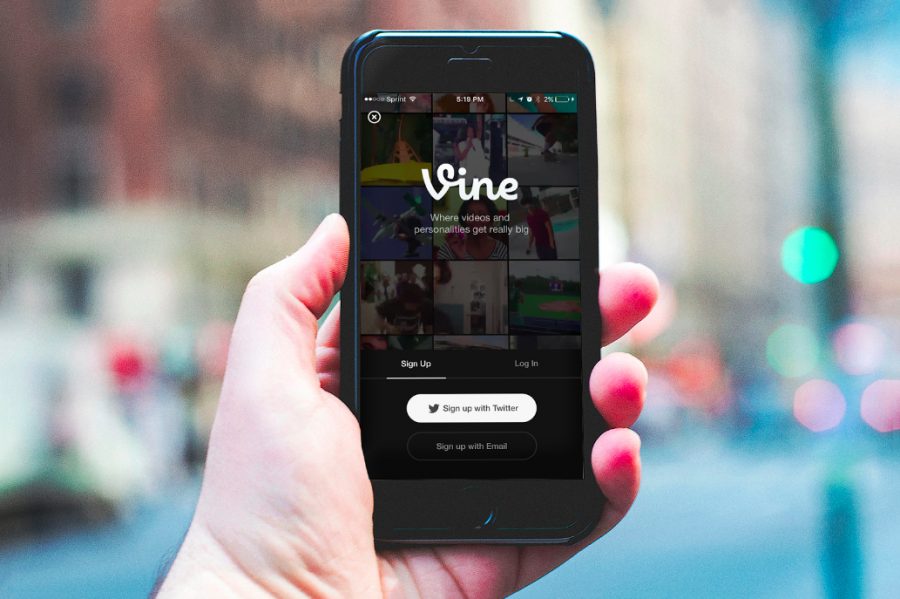
Vine burst onto the scene in June 2012, created by Dom Hofmann, Rus Yusupov, and Colin Kroll, and was acquired by Twitter just months later for around $30 million. It officially launched in early 2013 and quickly amassed over 200 million active users by the end of 2015. The platform’s signature six‑second looping videos sparked viral trends and introduced the world to creators like Lele Pons, Liza Koshy, and Logan Paul, reshaping internet entertainment with memorable memes. Yet despite its cultural impact and explosive early momentum, Vine was quietly unraveling behind the scenes due to strategic misalignment and mounting competition, setting the stage for its dramatic decline.
- Core Flaws That Led to Its Downfall
- How Competitors Exploited These Weaknesses
- Was Vine Ahead of Its Time?
- Creators Who Pivoted—and Why It Matters
- Lessons for Future Platforms and Founders
- Legacy & the New Era of Short‑Form Video
- Vine as Pioneer—and a Cautionary Tale
Core Flaws That Led to Its Downfall
One of the biggest structural problems Vine faced was its rigid six-second video limit. While designed to foster creativity, this severe limitation increasingly felt restrictive as competition offered more flexible formats, making it difficult to evolve Vine into a broader platform. Though Vine experimented with up to 140‑second uploads in mid‑2016, the update arrived too late to reverse the decline. Lunch and learn videos, short vlogs, or even thoughtful commentary felt impossible within such constraints. The result was that creators looking to grow and experiment simply migrated to platforms offering longer formats.
Even worse, Vine never built a robust monetization model, leaving creators to fend for themselves. While some top Viners struck deals independently, Vine itself never took a cut or offered tipping, ads, or creator funds. Twitter’s acquisition of a talent agency (Niche) was too indirect and underfunded to retain influencer loyalty. Without reliable revenue mechanisms for creators—and no meaningful share for Vine—it couldn’t sustain the ecosystem. Ultimately, top talents gradually abandoned the platform in search of sustainable income streams elsewhere.
To compound these problems, investor priorities and executive churn undermined stability. Twitter treated Vine as a side project, layered with competing video efforts like Twitter native video and Periscope that confused its strategic purpose. Meanwhile, all three co-founders had departed by 2014, leaving Vine without the creative leadership it needed. One insider lamented, “Vine didn’t ship anything of consequence for a year,” signaling a deadlock in innovation. Such organizational drift made it impossible for Vine to respond quickly to market trends or pivot when competitors moved aggressively.
How Competitors Exploited These Weaknesses
Instagram quickly capitalized on Vine’s stagnation by adding 15‑second video in 2013, later expanding content length and adding monetization tools like branded content and ad revenue sharing. As Instagram’s user base grew, many creators found it easier to build an audience and earn money there rather than on Vine. Instagram further developed features like Reels and in-app creator tools, making monetization smoother than Vine ever provided. The built-in discoverability and tapping into Facebook’s ecosystem proved a game-changer. For many creators, Instagram became the natural next step.
Snapchat offered a different model that highlighted daily engagement through ephemeral Stories and interactive tools. Its design fostered higher retention and habit-building engagement compared to Vine’s passive consumption model. Snapchat’s integrated messaging and discover tabs offered more ways to interact and follow creators. As Vine remained static, Snapchat accelerated, and users and marketers alike began to pivot. Ultimately, Vine felt stagnant next to Snapchat’s dynamic content ecosystem.
Enter TikTok (via the Musical.ly merger), which built upon Vine’s concept and added AI-powered recommendation, remix features, and centralized monetization via creator funds and live gifting. This platform offered video editing, Duets, and sharing tools that far exceeded Vine’s basic toolkit. TikTok also understood how essential it was to reward creators directly within the app. The result was not just a short-form platform, but a dynamic entertainment engine personalized for engagement. TikTok’s discovery algorithms, creator monetization, and pacing kept users hooked and creators supported—unlike anything Vine ever offered.
Was Vine Ahead of Its Time?
In cultural terms, Vine was undeniably ahead of its time. It pioneered six-second loops as bite-sized digital performance art, influencing memes that persist in internet culture today. Vine’s aesthetic encouraged authenticity, humor, and creative editing, giving rise to repeating formats like stop-motion effects and visual gags built around timing. It served as a training ground for a generation of short-form comedians and content creators. The platform’s influence is evident across contemporary short-video formats on TikTok, Reels, and YouTube Shorts.
However, Vine lacked the infrastructure to scale in the modern ecosystem. It appeared before the rise of AI-powered algorithms, in-app creator revenue tools, and advanced analytics that keep modern platforms sticky. These missing features made Vine less engaging over time, as creators moved to platforms where growth was possible. By the time Vine experimented with longer video and monetization in mid‑2016, it was too late—the competition had already pulled away. In a sense, Vine predicted the future but never adapted to it.
Creators Who Pivoted—and Why It Matters
Many early internet stars—Lele Pons, Logan Paul, Liza Koshy, King Bach, Nash Grier—started on Vine and built enormous followings. Once monetization options dried up, they preemptively migrated to Instagram, YouTube, and later TikTok to retain and grow their communities. Lele Pons reportedly foresaw the collapse by early 2016 and pivoted to Instagram, where she amassed over 50 million followers across platforms. This migration demonstrates how critical platform flexibility and monetization incentives are for modern creator success. Those who moved early secured multi-platform careers, and those who stayed too long lost momentum.
Lessons for Future Platforms and Founders
A critical lesson drawn from Vine’s story is the importance of defensible differentiation and continuous reinvention. Vine pioneered ultra-short looping videos, but once Instagram introduced Boomerang and then longer clips, Vine’s unique edge eroded quickly. Platforms must build not just novelty, but defensibility—through proprietary tech, strong community bonds, or unique creator ecosystems. When user feedback for new formats and features falls on deaf ears, then the competition has an opportunity to strike. Vine’s stagnation presented that golden opportunity to Snapchat and Instagram, and they capitalized immediately.
Another lesson is the value of data-driven discovery and personalization. Vine lacked algorithmic recommendation systems or granular analytics—unlike Instagram and TikTok, which leveraged AI to surface trending creators and tailor user feeds. Without personalized content or smart discovery tools, Vine’s content consumption model became stale, and creators struggled to be seen by new audiences—a fatal flaw in attention-saturated markets.
Entrepreneurs and platform leaders today must prioritize building products that continuously evolve, reward creators financially, and leverage technology to keep content fresh and discoverable. The modern winner is rarely the first mover—it’s the one who reinvents and adapts faster.
Legacy & the New Era of Short‑Form Video
By December 2015, Vine peaked at over 200 million monthly active users. By October 27, 2016, Twitter announced uploads would be disabled, and the platform was fully shut down on January 17, 2017. Twitter launched a Vine archive shortly after, but even that was discontinued in 2019, marking the full offline death of the platform. Despite this, Vine’s creative spirit lives on in TikTok, Instagram Reels, and YouTube Shorts, all of which owe a debt to its model. In 2020, Dom Hofmann launched Vine’s spiritual successor Byte (later Clash/Huddles), which ran until May 2023 before folding. Meanwhile, Elon Musk recently floated the idea of reviving Vine as an AI-powered app—but experts say that outdated code and diluted cultural relevance make the project highly unlikely to succeed unless rebooted completely.
Vine as Pioneer—and a Cautionary Tale
Ultimately, Vine’s downfall stemmed from a lack of monetization, failure to innovate flexibly, and being buried in Twitter’s incoherent video strategy. Although Vine sparked a short‑form video revolution, it didn’t evolve fast enough to remain competitive. What it taught the industry, however, is invaluable: innovation without structural support and creator incentives is fragile. Vine was ahead of its time in concept—but behind the times in execution and infrastructure.
Its influence survives in every TikTok trend, Instagram Reel, and looped meme we binge-watch today. Vine walked so that TikTok could run—but only platforms that marry discovery, creator support, and business alignment will endure. In that sense, Vine remains both a pioneer and a powerful cautionary tale for entrepreneurs, creators, and product strategists alike.