Buying a Smart LED Light Strip?
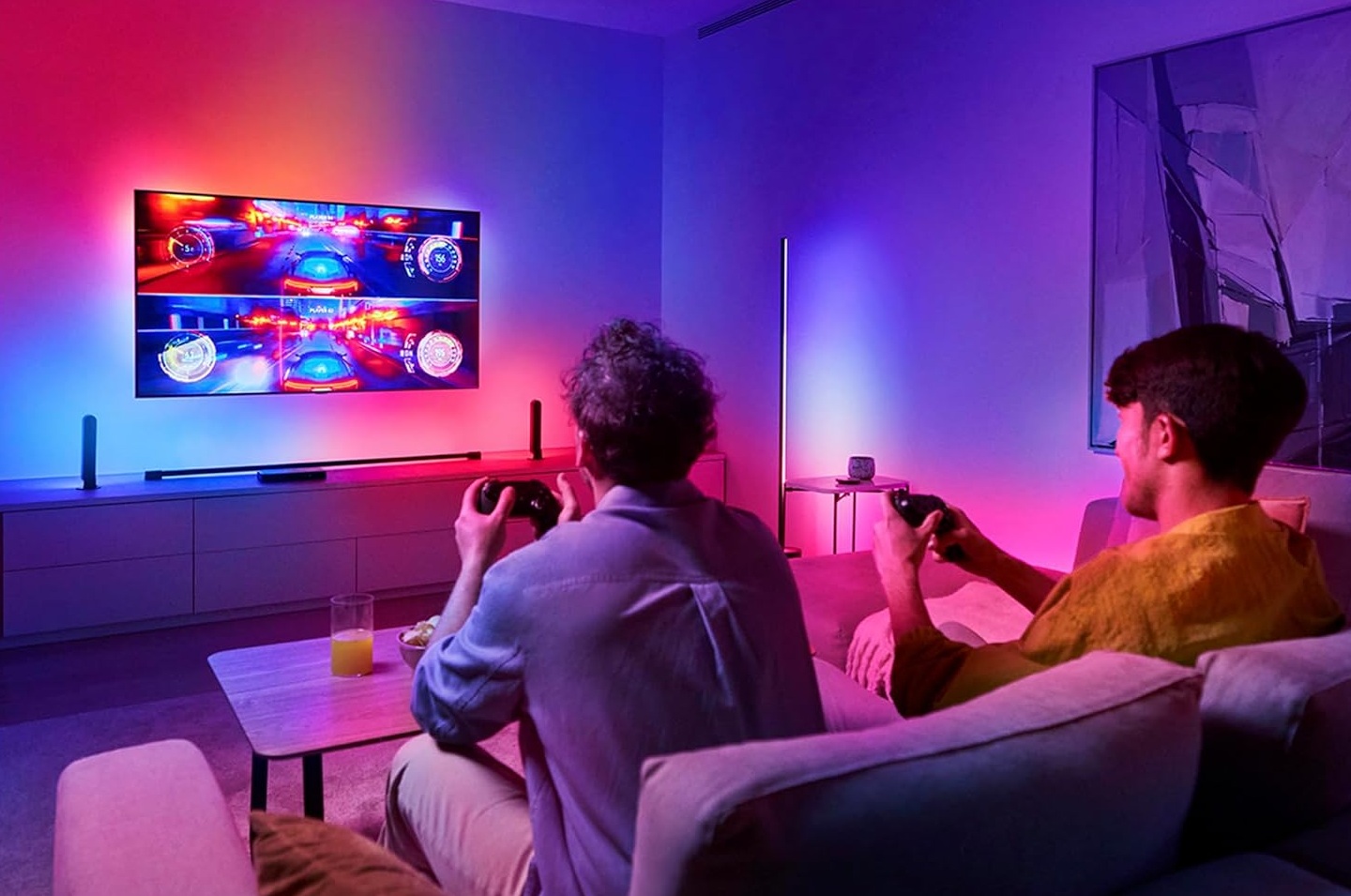
Smart LED light strips have quickly become one of the most popular ways to upgrade a home without major renovations or huge expense. Whether you want to add mood lighting behind a TV, accent your gaming setup, highlight under-cabinet kitchen spaces, or give your bedroom a soft ambient glow, smart strips make it incredibly easy to create a customized lighting experience. But with so many brands, features, and compatibility requirements to consider, it can be overwhelming to choose the right one. Before you click “Add to Cart,” it’s important to understand how these strips work, what features actually matter, and which ones are worth buying.
The truth is, not all smart LED light strips are created equal. Some look fantastic in marketing photos but fall short in brightness or durability. Others offer impressive smart features but require extra hubs or only work with specific ecosystems. And then there are strips that look great out of the box but lose color accuracy or adhesive strength after a few months. With smart lighting becoming a bigger part of modern home setups—especially those built around Alexa, Google Home, Apple HomeKit, or Matter devices—making the right choice now will save you frustration later. So let’s break down what you really need to know before buying a smart LED light strip.

More From GET WIRED UP NOW
Understanding Brightness, Color Quality, and LEDs
One of the most overlooked but most important aspects of choosing a smart LED light strip is brightness. Many users assume all strips are the same because they’re all just “LEDs,” but the number of LEDs per meter, along with the quality of those LEDs, drastically affects brightness and visual performance. If you’re lighting a TV, lower brightness may be fine. But if you’re illuminating a kitchen counter or accent wall, you’ll want something stronger.
Brightness is measured in lumens, but many manufacturers don’t list this clearly. Instead, look at LED count—high-quality strips usually have 30 to 60 LEDs per meter. Lower counts result in visible gaps and uneven lighting, while higher counts produce a smooth, premium glow. Color quality is also important, especially for people who care about accurate hues for mood lighting or content-synchronized gaming effects. RGB strips give you color, but RGBWW (with warm and cool white) or RGBIC (individually controlled color zones) provide far better control.
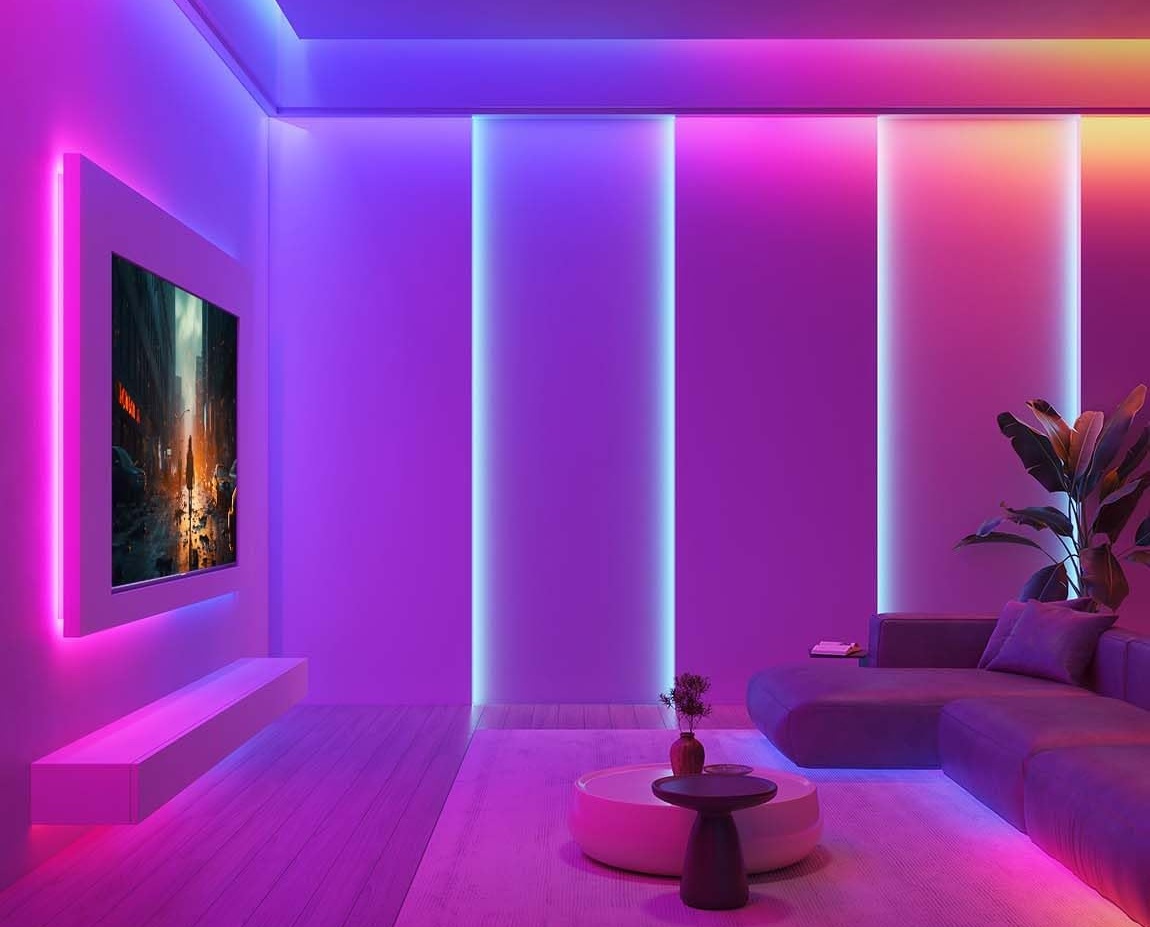
A great example of a bright, high-quality option is the Govee RGBIC LED Strip Lights (ONLY $14.99 MSP on Amazon). These strips are known for rich color saturation and smooth gradients thanks to their individually addressable LEDs. Unlike cheaper strips that show patchy color transitions, Govee’s RGBIC technology allows every segment to shine independently, creating dynamic scenes that look premium in both daylight and nighttime. They’re ideal for gaming rooms, living rooms, and accent walls because of their high brightness and reliable color consistency.
Another solid performer is the Philips Hue Lightstrip Plus, which is widely considered the gold standard for overall quality and color accuracy. Unlike many budget strips, Hue uses high-end LEDs with excellent white light reproduction, making it a great choice for under-cabinet lighting, home offices, or spaces where realistic white tones matter. It’s also one of the most customizable, thanks to cut-and-extend options and full compatibility with major smart home platforms—including Matter. If you’re someone who cares about accuracy, reliability, and ecosystem compatibility, Hue is hard to beat.
RGB vs. RGBIC vs. RGBWW: Which Should You Choose?
If you’ve ever shopped for LED strips, you’ve probably noticed a bunch of acronyms. In short, each type provides a very different result, and knowing the difference makes choosing much easier.
RGB strips use LEDs that combine red, green, and blue to create colors. They’re great for basic accent lighting but can’t produce true white light or advanced effects. They’re often the cheapest option and work well for simple setups like desk accents or behind a TV.
RGBWW adds two forms of white light—warm and cool—allowing for natural white tones and more functional lighting. This is the best choice for kitchens, bathrooms, and workspaces where you want mood colors but also need proper white lighting.
RGBIC strips allow you to display different colors in different segments simultaneously. These are the “TikTok-style” strips that create multi-color gradients and animations. They’re perfect for people who want a dynamic, vibrant aesthetic.
A great example of a reliable and affordable RGBWW option is the Daybetter Smart Wi-Fi LED Strip Light. While not as advanced as Philips Hue, it offers a clean white tone and bright colors at a fraction of the price. Many homeowners use it for under-cabinet kitchen lighting because it blends functionality with fun. If you want the best value without compromising too much quality, this is a strong pick.
For a tighter budget but still good performance, the Tenmiro Smart LED Light Strip offers bright RGB lighting with app control, timers, and scenes. It won’t compete with high-end brands, but for renters, students, or people who want to decorate a room affordably, it delivers excellent value. It’s especially popular for bedrooms and entertainment setups because of its strong brightness and flexible installation.
Smart Home Compatibility Matters More Than You Think
One of the biggest advantages of smart LED strips is hands-free control, but this only works well if the strip fits your smart home ecosystem. Some strips only support Amazon Alexa, others work only with Google Home, and some require proprietary apps with limited features. With the rise of Matter, more products are becoming cross-platform, but compatibility still varies.
Before buying a strip, ask yourself which platform you actually use. If your home is built around Alexa, choose a strip with native Alexa integration for smoother routines. If you’re an Apple user, HomeKit compatibility matters—and not all strips support it. Android users with Google Home will want seamless linking for voice commands and automation.
An excellent pick for multi-ecosystem homes is the Nanoleaf Matter-Compatible LED Lightstrip. Because it supports Matter, it works across Apple Home, Google Home, and Alexa without extra bridges or hubs. Nanoleaf is also known for vibrant, accurate color and high build quality. If you want something future-proof, this is one of the best options.
For people deeply invested in the Alexa ecosystem, the Kasa Smart LED Strip Light KL420L5 is a standout. Kasa devices are affordable yet reliable, and this strip integrates beautifully with Alexa routines. You can automate wake-up lighting, bedtime scenes, or motion-triggered lighting if paired with a smart sensor. Kasa also offers excellent app controls, making it a strong pick for users who want dependable smart features without overpriced hardware.

Installation: Adhesives, Surface Types, and Power Considerations
LED light strips are only as good as their installation, and this is where many buyers run into problems. Cheap strips often use low-quality adhesives that peel off after a few weeks, especially in humid environments like kitchens or bathrooms. Others don’t include corner connectors, forcing you to bend them around angles—which can damage the LEDs or circuitry.
Before installing a strip, think about the surface. Smooth, clean, dust-free surfaces are best. Textured walls, dirty surfaces, or glossy finishes may require additional clips or mounting hardware.
The Govee RGBIC Pro LED Strip Lights come with strong 3M adhesive and optional mounting clips, which help prevent sagging or peeling. They also include precise cut lines, allowing you to size them perfectly for customized areas like floating shelves or under furniture. Govee’s adhesive strength is consistently better than budget competitors, making it a safe choice for long-term installations.
If you’re installing strips in a kitchen or bathroom, moisture is an important factor. The Elgato Light Strip Pro offers high-quality LEDs, strong adhesive, and excellent color accuracy—plus it’s known for maintaining brightness even in humid environments. While targeted more toward creators, its durability makes it an excellent choice for kitchens, bathrooms, or vanity mirrors where steam and heat could weaken lesser adhesives.
Wi-Fi vs. Bluetooth vs. Hubs: What’s Best?
Not all LED strips connect in the same way. Wi-Fi strips offer the best smart features, but they require a stable network connection. Bluetooth strips are easy to set up but limited in range and automation. Hub-based systems like Philips Hue use Zigbee or Matter-over-Thread for stable, low-latency performance.
Wi-Fi strips are ideal for people who want full app control from anywhere, advanced automation, and voice control. Govee, Kasa, and Daybetter strips typically fall into this category.
Bluetooth strips work well for simple mood lighting without smart home integration. These are best for bedrooms or dorm rooms where you don’t need cloud features.
Hub-based strips are more stable and reliable for large smart home setups. Philips Hue remains the leader here, and its light strip integrates tightly with other Hue bulbs and accessories.
If you want to avoid overloading your Wi-Fi network, the Philips Hue Lightstrip Plus is the most reliable option because it uses Zigbee or Matter-over-Thread, offloading traffic from your router. This is especially helpful if you’re planning to expand your smart home with multiple lights, sensors, and switches.
Durability, Lifespan, and Build Quality
Smart LED light strips may seem like simple products, but durability varies widely. Low-cost strips often fail in the adhesive, LEDs, or controller module. Cheap controllers can overheat or lose connection, while poor LED construction leads to flickering or uneven brightness.
High-quality strips use silicone coatings for protection, stronger copper wiring, and durable connectors. If you want something that lasts, avoid no-name brands that cut corners on materials.
One of the most durable options available today is the LIFX Lightstrip Color Zones. LIFX is known for extremely rich colors and premium build quality without requiring a hub. Their light strips are covered in a thick silicone diffuser that protects the LEDs and produces a smooth, high-end lighting effect. If you want a top-tier option with fantastic color reproduction, LIFX is an excellent investment.
Energy Usage and Efficiency
Smart LED light strips are energy-efficient compared to traditional lighting, but power consumption still varies based on brightness and LED density. Longer strips also consume more power, particularly when displaying white light at maximum brightness.
If energy usage is a priority, consider strips with efficient power supplies and LED configurations designed to minimize consumption. The Nanoleaf Essentials Lightstrip, for example, uses Thread technology to reduce power draw and latency. It’s one of the most efficient smart strips available today and ideal for people who want to add ambient lighting without increasing their energy bill.
The Smart LED Light Strip That’s Right for You
When buying a smart LED light strip, think about brightness, color quality, ecosystem compatibility, installation, and durability before anything else. A strip that’s perfect for a gaming setup might not be ideal for a kitchen, and vice versa. The right choice depends on how and where you plan to use it, as well as which smart home platform you rely on.
If you want the best dynamic lighting for entertainment and gaming, the Govee RGBIC Pro LED Strip Lights are outstanding. For the most premium, accurate, and reliable lighting with Matter support, the Philips Hue Lightstrip Plus is unmatched. For budget shoppers, the Tenmiro and Daybetter strips offer great value. And for a future-proof, multi-ecosystem setup, Nanoleaf’s Matter Lightstrip is one of the smartest investments you can make.
Ultimately, a smart LED light strip is one of the easiest and most impactful upgrades you can bring into your home. With the right product, you can create a space that feels more personalized, more modern, and more fun—whether you’re building the perfect gaming room, upgrading a kitchen, or turning your bedroom into a cozy retreat. And as the smart home world continues to evolve, choosing a trusted brand now ensures your lighting will keep up with the technologies of tomorrow.