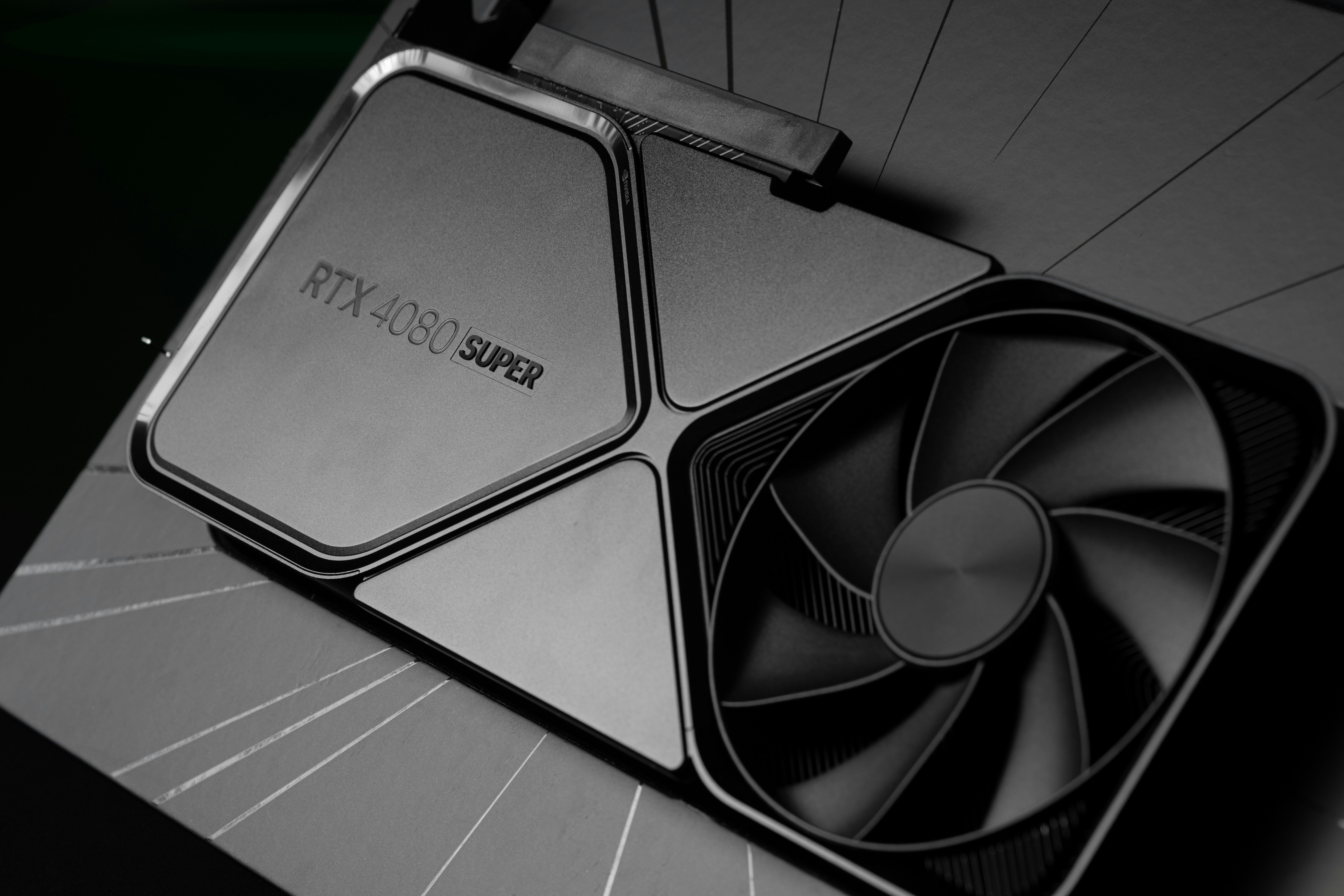
NVIDIA Stock Continues Upward Trajectory
It finally happened — Nvidia has joined the ultra-exclusive $4 trillion club. The chipmaker, once best known for powering high-end gaming PCs, has now become one of the most valuable companies in the world, right up there with Apple and Microsoft. This milestone isn’t just about share price—it’s a clear signal that Nvidia is no longer just a tech company. It’s a cornerstone of the AI-powered future.
Nvidia’s rise over the past two years has been nothing short of extraordinary. Fueled by surging demand for AI infrastructure, its dominance in high-performance GPUs has positioned it as the go-to supplier for data centers, cloud platforms, and AI labs around the globe. But what exactly is behind this massive valuation—and can it be sustained?
- AI Isn’t Just a Trend
- The Financials Tell the Story
- Why Nvidia, and Why Now?
- Is $4 Trillion Too Much, Too Fast?
- What This Means for the Tech Industry
AI Isn’t Just a Trend
The foundation of Nvidia’s rise lies in a very simple equation: explosive demand for AI + a near-monopoly on the hardware to run it. Companies across nearly every industry—tech, healthcare, automotive, energy—are racing to integrate AI into their operations. And they all need the same thing to make it happen: powerful chips. That’s where Nvidia comes in.
Its H100 and newer Blackwell B200 GPUs have become the industry standard for AI workloads. OpenAI uses them. Meta, Google, Amazon, and Microsoft do too. And because Nvidia also owns the software stack (CUDA) that developers rely on to build AI models, its position is even stronger. It’s not just selling chips—it’s selling the full ecosystem.
The Financials Tell the Story
Nvidia’s most recent earnings report shows just how fast things are moving. In Q1 of FY2025, the company brought in over $26 billion in revenue, with more than $22 billion coming from its data center segment alone. That’s a year-over-year growth rate of over 260%.
This isn’t speculative hype—this is real, bottom-line growth. Investors aren’t just betting on AI as a future trend. They’re looking at Nvidia’s current numbers and seeing a company that’s already executing at an elite level. That’s a big reason why the stock has more than doubled in the last year and now supports a valuation in the trillions.
Why Nvidia, and Why Now?
Several factors are working in Nvidia’s favor beyond just demand. First, supply is still constrained. Nvidia’s chips are manufactured by TSMC, and production capacity is limited—which makes each chip even more valuable. Second, competitors haven’t caught up. While AMD and Intel are working on alternatives, Nvidia’s head start in both hardware and software gives it a significant lead.
Also worth noting: Nvidia’s success isn’t just U.S.-centric. Countries and enterprises around the world are investing in AI infrastructure at scale, and Nvidia is the first name on most procurement lists. That kind of global demand is rare—and incredibly valuable.
Is $4 Trillion Too Much, Too Fast?
It’s a fair question. Tech valuations can run hot, and Nvidia’s market cap has increased by over $2 trillion in less than a year. Some analysts are already calling this a top, suggesting that competition, supply chain risks, or a slowdown in AI spending could dampen momentum.
But there’s a counterpoint: Nvidia isn’t just riding a trend—it’s building the infrastructure of a new digital economy. And that kind of foundational role can support long-term value in ways traditional metrics might underestimate.
What This Means for the Tech Industry
Nvidia’s milestone is a reminder that we’re in the middle of a major platform shift—one where AI is no longer experimental, but operational. Nvidia is playing the same role that companies like Intel did in the early days of personal computing, or AWS in the early days of cloud. It’s the engine under the hood of something much bigger.
Whether this valuation holds or not, one thing is clear: Nvidia’s position in the tech landscape has changed permanently. The company isn’t just shaping the future of computing—it’s helping define it.