WiFi LED Light Strips Are the Future of Home Lighting
If you’ve ever admired the glowing studios on TikTok, the cozy backlit shelving in Pinterest home tours, or the futuristic ambient lighting in gaming setups, you’ve probably wondered: What lighting are they using? More often than not, the answer is WiFi LED light strips—the flexible, smart, customizable lighting solution that’s quickly becoming a staple in modern homes. These aren’t your old-school sticky LED strips that only turned one color and died after a few months. Today’s WiFi-connected versions are intelligent, energy-efficient, and designed to blend seamlessly into any space, from living rooms and kitchens to under-bed lighting and outdoor patios.
As smart home ecosystems continue to expand, WiFi LED strips have evolved into more than just accent lighting. They’ve become a way to transform mood, automate daily routines, improve home visibility, and even elevate your home’s resale appeal. They integrate effortlessly with Alexa, Google Assistant, and Siri, meaning your lighting becomes voice-controlled and fully automated. And when you pair them with today’s top-rated models—like the Govee RGBIC WiFi LED Strip Lights, Philips Hue Lightstrip Plus, and the Tapo L930 Smart Light Strip. The level of personalization these offer, traditional light bulbs simply just can’t match. Whether you want color-zoning effects behind your TV, sunrise automation under your cabinets, or a professional-looking home office setup, WiFi LED strips are becoming the easiest way to achieve it.
More From GET WIRED UP NOW
WiFi LED Light Strips Are More Than Just Decoration
WiFi LED strips don’t just look good; they solve real everyday problems. If you’ve ever tried navigating a dark hallway, prepping food on poorly lit counters, or creating ambiance without turning on harsh ceiling lights, the versatility of LED strips becomes instantly clear. They offer directional, diffused lighting exactly where you need it, without bulky fixtures or complicated wiring.
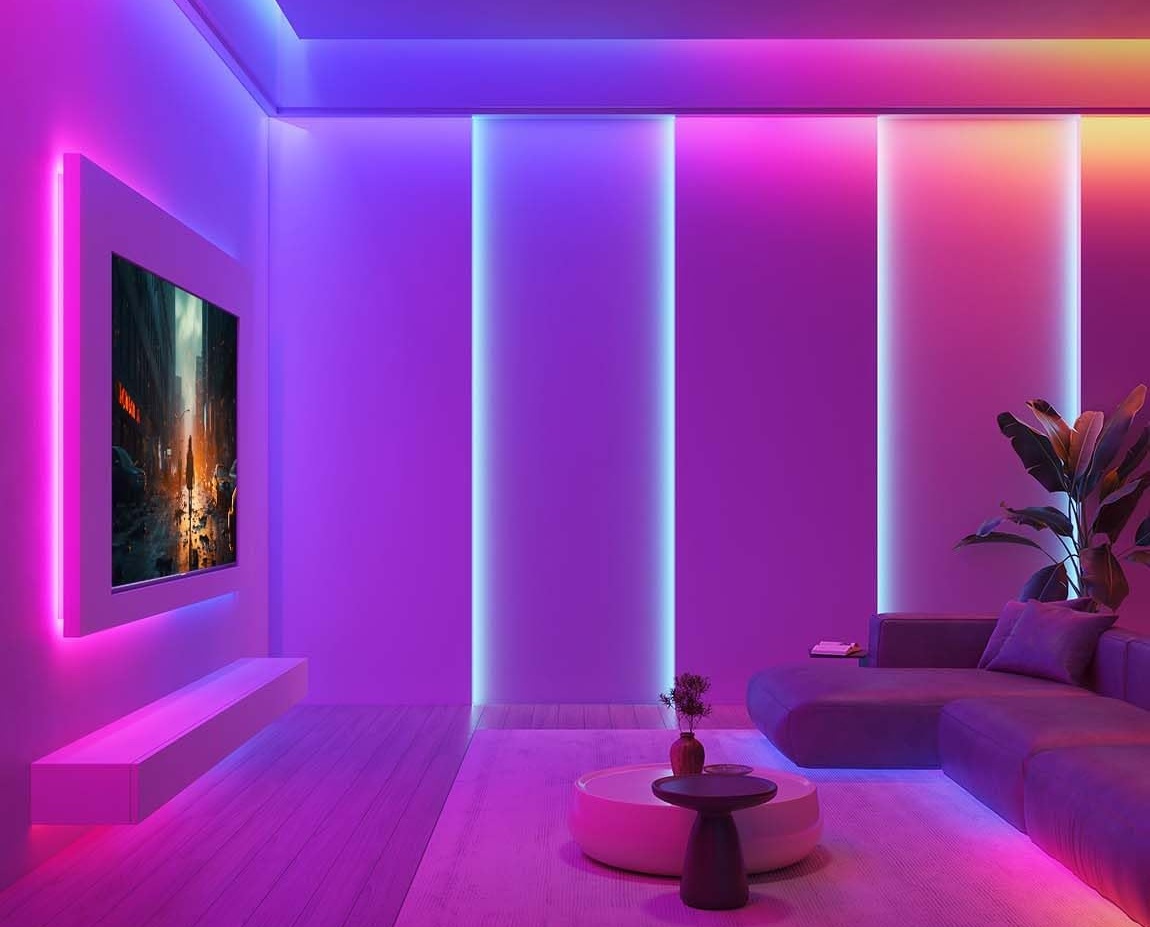
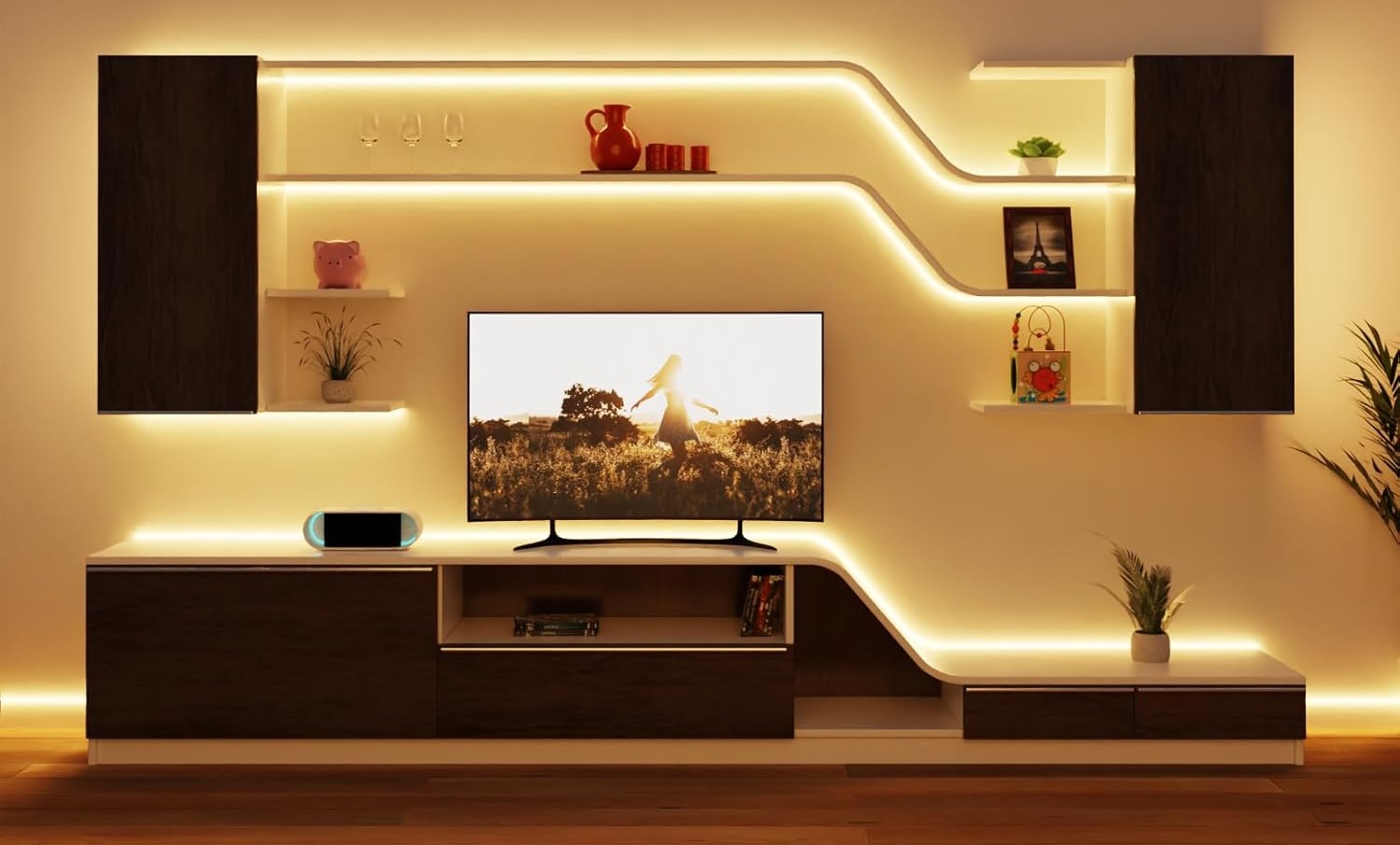
For example, the Govee RGBIC Smart WiFi Light Strip is widely loved for its segmented color technology. Instead of the entire strip turning one color, different sections can glow independently, creating gradient and flowing effects. People use it for backlighting TVs to reduce eye strain, adding colorful borders around gaming monitors, or highlighting architectural features like built-ins and floating shelves. And because it’s WiFi-enabled, the whole strip syncs with your music, your smart home routines, or your voice commands—no extra hub required.
In kitchen spaces, a popular choice is the Philips Hue Lightstrip Plus, known for its unmatched brightness and color accuracy. Homeowners love placing it under cabinets, along toe kicks, or on top of cabinetry for a soft evening glow. Pairing it with motion sensors through the Hue ecosystem turns your kitchen into a hands-free lighting experience—lights turn on as you walk in and dim automatically when no movement is detected. It’s functional, energy-saving, and feels ultra premium.
Even budget-conscious shoppers can level up their lighting with options like the Tapo L930 Smart Light Strip, which offers full WiFi control, effects, and scheduling at a wallet-friendly price. The adhesive is strong, the brightness is comparable to more expensive models, and it integrates directly with voice assistants. It’s ideal for beginners or renters who want smart lighting without complexity.
Energy Efficiency Meets Smart Automation
One of the most compelling reasons WiFi LED strips are the future of lighting is how incredibly energy-efficient they are compared to traditional bulbs. LEDs already consume far less power, but when you add WiFi automation—like schedules, adaptive brightness, and remote control—you unlock even more savings. Instead of leaving lights on all night, you can automate your strips to dim at bedtime, turn off when you’re away, or adjust to ambient light using a smart home routine.
Take the Philips Hue ecosystem, for example. When paired with the Hue Bridge and optional accessories, your LED strips can adjust dynamically based on sunrise and sunset, your sleep schedule, or your presence at home. That means no more accidentally leaving the lights on when you rush out the door.
The Govee WiFi LED Strip Lights also excel at energy-smart features. Even without a hub, they let you create intuitive automation through the Govee app. You can set a “Movie Mode” that turns the lights to a warm 20% brightness at night, or you can schedule gradual fade-outs for a hands-free wind-down routine. These aren’t gimmicks—they genuinely reduce electricity usage while making your home feel thoughtful and modern.
If you’re someone who loves automating your space down to the smallest details, strips like the Tapo L930 integrate directly with smart home automations through Alexa Routines, Google Home scripts, or IFTTT. You can create routines like:
- Turn light strips purple when your doorbell rings
- Glow red when your security camera detects motion
- Sync with your smart speaker to react to music
- Fade into soft white at sunrise for a natural wake-up
This flexibility replaces traditional lamps, night lights, or overhead lighting with something far more customizable.
Design Flexibility Makes Them Ideal for Every Home Style
Whether you live in a modern apartment, a cozy farmhouse, or a newly renovated suburban home, WiFi LED light strips blend beautifully into any aesthetic. They’re thin, flexible, and easy to hide behind furniture or along edges. Unlike traditional fixtures that require drilling, wiring, or mounting hardware, light strips simply peel and stick. For renters, this is a dream—no permanent changes, no electrician, no damage deposits.
What truly sets WiFi LED strips apart from older LED options is how intentional the lighting quality has become. High-end models like the Philips Hue Lightstrip Plus provide excellent color rendering, meaning your walls, art, and furniture appear natural rather than washed-out. The warm-to-cool whites adjust seamlessly, giving you task lighting for productivity or ambient light for relaxation.
Meanwhile, strips like the Govee RGBIC Pro offer advanced color effects that can be tailored to your room’s vibe. Want a soft, candle-like glow for your bedroom? Done. Want rainbow waves behind your PC setup? Easy. Want your shelves to glow like a luxury showroom? They can do that too. These customizable effects make a massive difference in creating a home environment that feels intentional and elevated.
Even simple accent upgrades, like replacing traditional under-cabinet puck lights with a WiFi LED strip, make the entire space feel modern. Home flippers frequently use WiFi strips because they add value at a low cost, making kitchens and bathrooms appear more high-tech.
They’re a Game-Changer for Entertainment Spaces

If you’ve set up a living room with a TV, a gaming room, or even a cozy bedroom where you love to watch Netflix, you already know how important lighting is for atmosphere. WiFi LED light strips take entertainment lighting to another level.
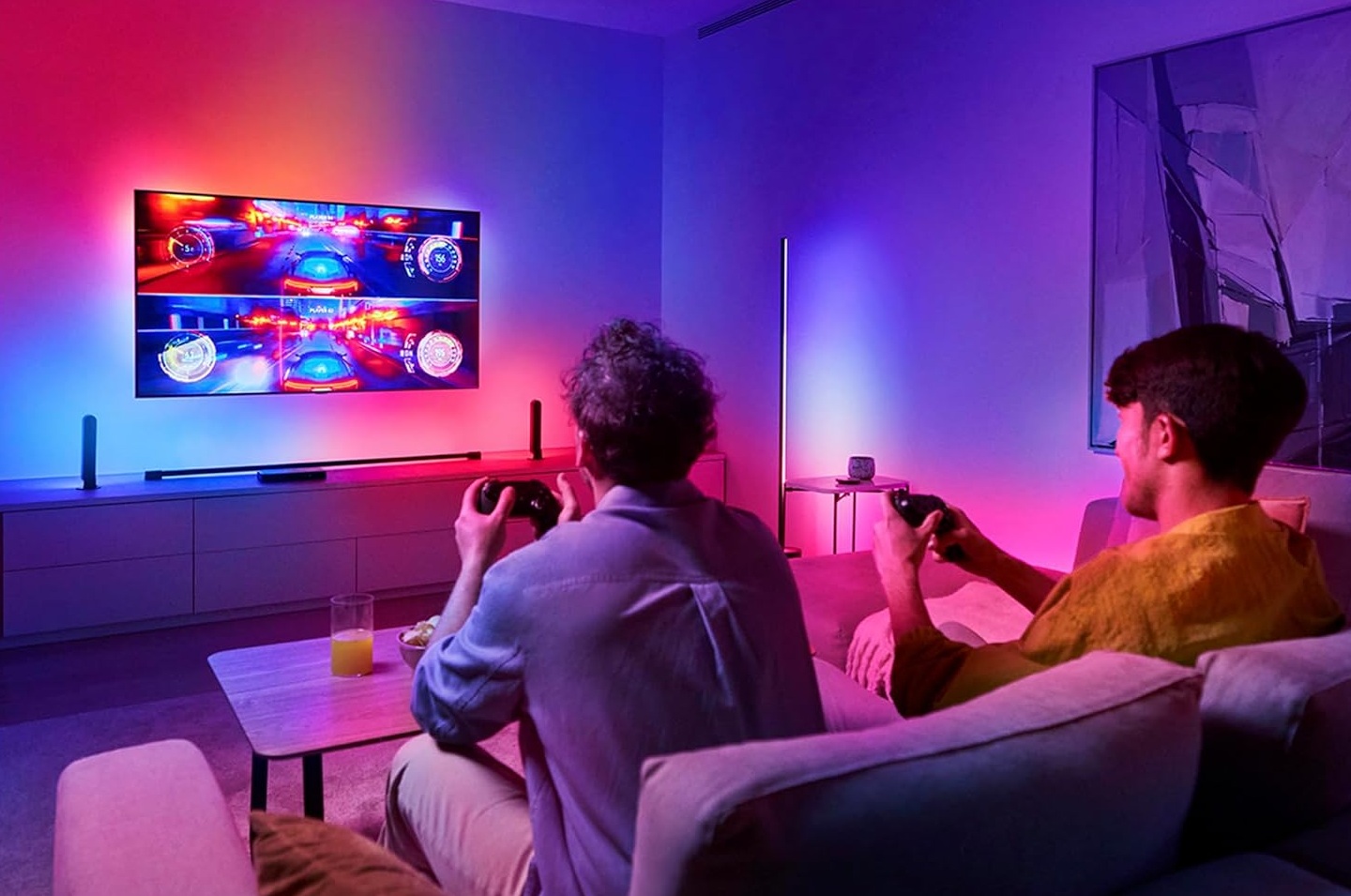
The Govee TV Backlight T2, for example, uses dual cameras and RGBIC tech to mimic the colors on your TV in real time. This creates an immersive halo effect that reduces eye strain and pulls you deeper into movies, gaming, or sports. It’s a favorite among home theater fans because the setup is simple but the impact is dramatic.
Gamers also love strips like the Govee DreamColor LED Strip for desks and monitor setups. The segmented color zones let the strip glow in multi-tone patterns, making your desk feel alive. Many pair it with other RGB peripherals, using the Govee app to sync everything into one cohesive animated lightscape.
Even bedroom entertainment setups benefit. A soft strip behind the TV or headboard creates a low-light environment that makes winding down easier. Instead of blasting bright overhead lights while watching a show, you get that subtle, cinematic glow that’s both calming and visually appealing.
And because these strips are WiFi-connected, you can change colors or brightness instantly through voice control:
- “Alexa, turn the TV lights blue.”
- “Hey Google, dim the bed lights to 10%.”
- “Siri, set the room to Movie Mode.”
That ease of use is exactly why WiFi strips are surpassing old IR remote light strips.
Home Offices Benefit Tremendously From Smart LED Strips
With remote work becoming standard, the need for well-lit workspaces has never been greater. Overhead lighting is often too harsh, while lamps can cause glare. WiFi LED light strips offer an elegant middle ground: soft, directional lighting that reduces eye strain and boosts productivity.
The Philips Hue Lightstrip Plus, placed behind a monitor or along the edges of a desk, adds a professional look to Zoom backgrounds while making long work hours more comfortable. Its accurate warm-to-cool white adjustment lets you mimic natural daylight, helping regulate your circadian rhythm.
If you’re building an aesthetic workspace (a huge trend on TikTok), strips like the Govee RGBIC LED Strip give you access to millions of color combinations. You can match your lighting to your keyboard, mouse, and PC build for a cohesive, Instagram-worthy look. Many creators highlight how easy it is to switch from “Work Mode” (cool white) to “Chill Mode” (soft sunset tones) with a single tap.
Even budget models like the Tapo L930 can make a basic desk instantly more inviting. Instead of staring at a plain wall, you get a subtle backdrop glow that enhances focus and reduces visual fatigue.
Installation Is Simple—Even for Beginners
One of the reasons WiFi LED strips are taking over the home lighting world is how universally accessible they are. You don’t need tools, prior electrical knowledge, or a full smart home setup to get started.
Most consumers are shocked by how easy the process is:
- Peel the backing
- Stick the strip where you want it
- Plug it in
- Connect it to WiFi via the app
- Customize everything
Even corners are easy thanks to flexible designs and included connectors. If you’re installing under cabinets or behind a TV, the entire process typically takes under 20 minutes.
This is a huge selling point compared to hard-wired lighting, which requires cutting, drilling, and often hiring a professional. LED strips democratize beautiful lighting—anyone can upgrade their home without major cost or effort.
And when you choose quality brands like Philips Hue, Govee, and Tapo, you get strong adhesive, quality materials, and stable WiFi connectivity. Cheap no-name strips often disconnect or burn out quickly, which is why most smart home enthusiasts strongly prefer the big, reputable brands for long-term reliability.
Voice Control Makes Lighting Feel Effortless
The shift toward voice-controlled homes is one of the biggest reasons WiFi LED strips have become so popular. Once you’ve experienced how convenient it is to say:
- “Alexa, turn my kitchen lights warm white.”
- “Hey Google, set the game room to neon purple.”
- “Siri, turn on the bed lights.”
…it becomes impossible to go back to manual controls.
Strips like the Govee RGBIC WiFi Strip are fully compatible with Alexa and Google Assistant. You can group them with other smart lights, assign them to specific rooms, or use routines that adjust the lighting automatically based on time, weather, or activity.
The Philips Hue Lightstrip Plus offers the smoothest voice control experience because its ecosystem is incredibly polished. Whether you’re dimming specific areas, switching color scenes, or adjusting brightness for reading, the commands feel instantaneous and intuitive.
Even budget strips like the Tapo L930 respond quickly to voice commands thanks to reliable WiFi and a streamlined app.
Once your home responds to your voice, lighting no longer feels like a chore. It becomes a fluid, effortless part of your environment.
Outdoor Spaces Are Getting Smarter Too
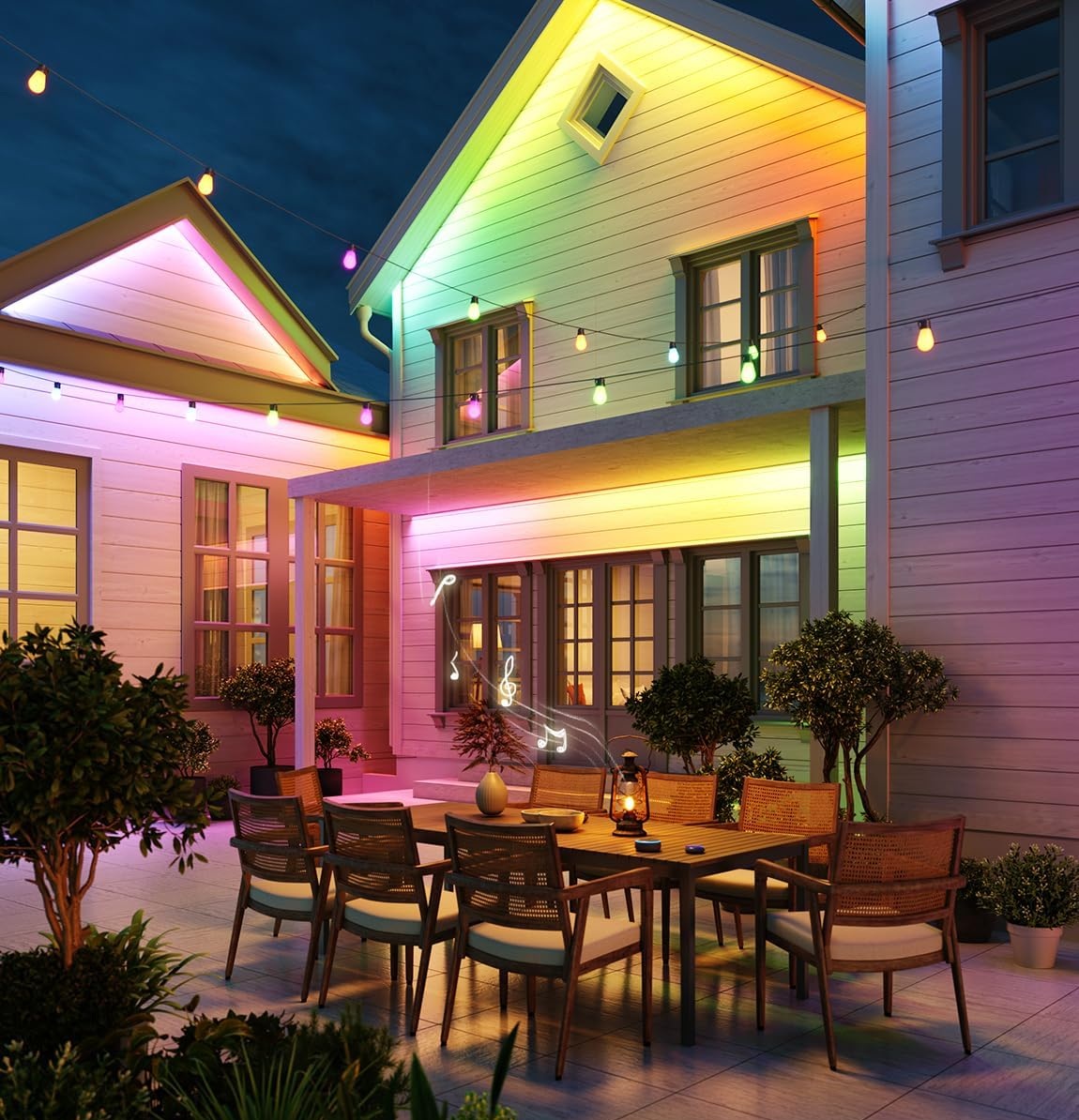
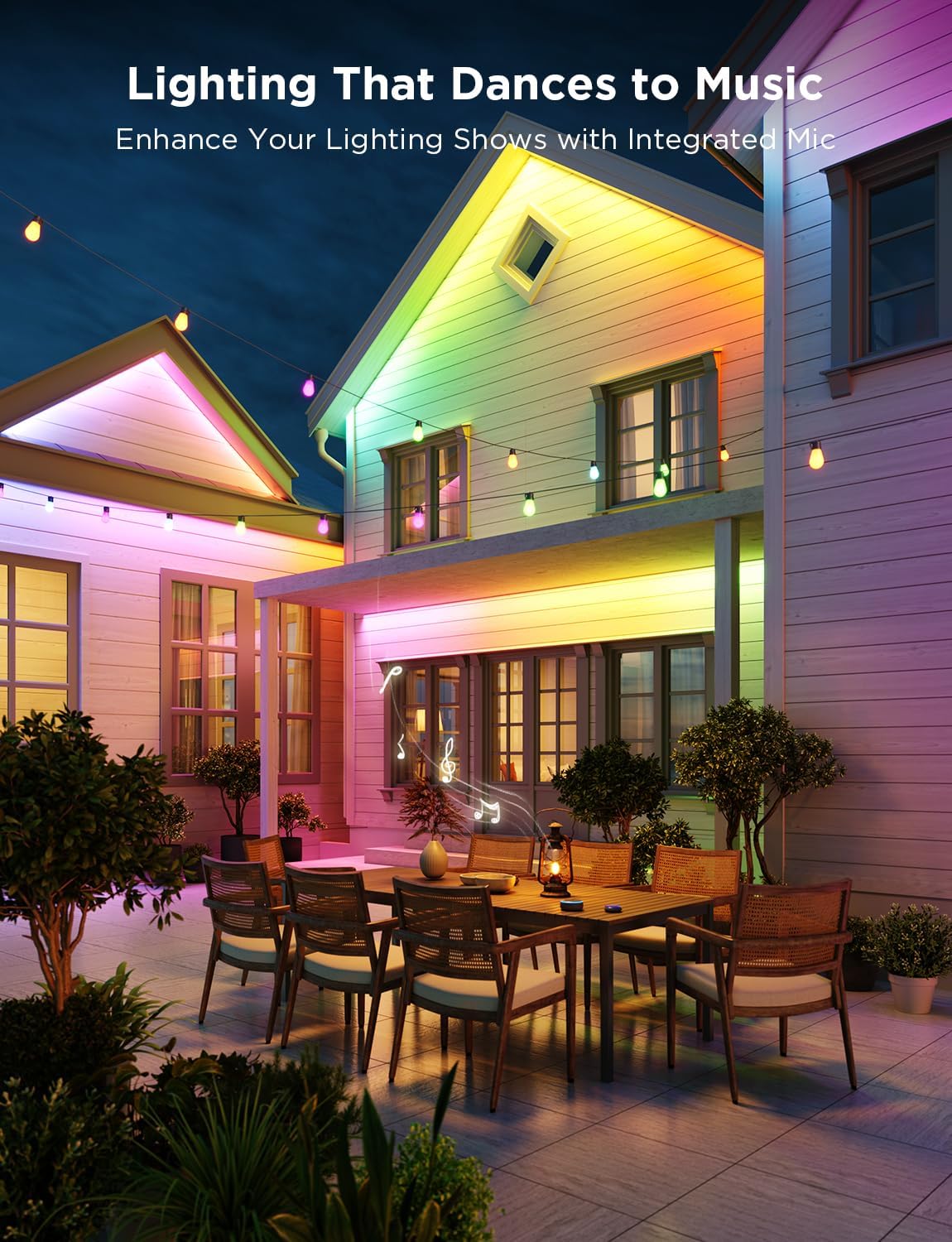
As backyards become an extension of the modern living space, WiFi LED strips have become a go-to upgrade for patios, gazebos, decks, and gardens. Outdoor-rated models like the Govee Outdoor Permanent Lights or Govee Waterproof Light Strips offer weather-resistant materials that can withstand rain, sun, and temperature changes.
These strips allow homeowners to create resort-like ambiance right in their backyard. You can outline a deck with warm lighting, illuminate a pergola, or line your garden path with subtle glows. Many people use them to add soft perimeter lighting around pools or fencing for a clean, upscale effect.
Outdoor lighting, once expensive and complicated, is now incredibly accessible thanks to WiFi LED strips. You get total control, vibrant color options, and year-round durability without hiring an electrician.
Why WiFi LED Light Strips Are Here to Stay
When you combine energy efficiency, design flexibility, smart automation, and voice control, it becomes clear why WiFi LED strips are rapidly becoming the future of home lighting. They solve everyday lighting needs in a way that’s modern, affordable, and intuitive.
They make your home feel more personalized.
They enhance safety and visibility.
They create ambiance for relaxation and entertainment.
They elevate productivity in work and study environments.
They integrate seamlessly with your smart home ecosystem.
And perhaps most importantly—they’re accessible to everyone. Whether you’re upgrading a small apartment or designing a full smart home, WiFi LED light strips are one of the most affordable, high-impact lighting improvements you can make today.
If you’re ready to upgrade your lighting, start with trusted models like the Govee RGBIC WiFi LED Strip Lights, Philips Hue Lightstrip Plus, and the Tapo L930 Smart Light Strip. They offer the perfect blend of brightness, app features, reliability, and compatibility for both beginners and seasoned smart home enthusiasts.